
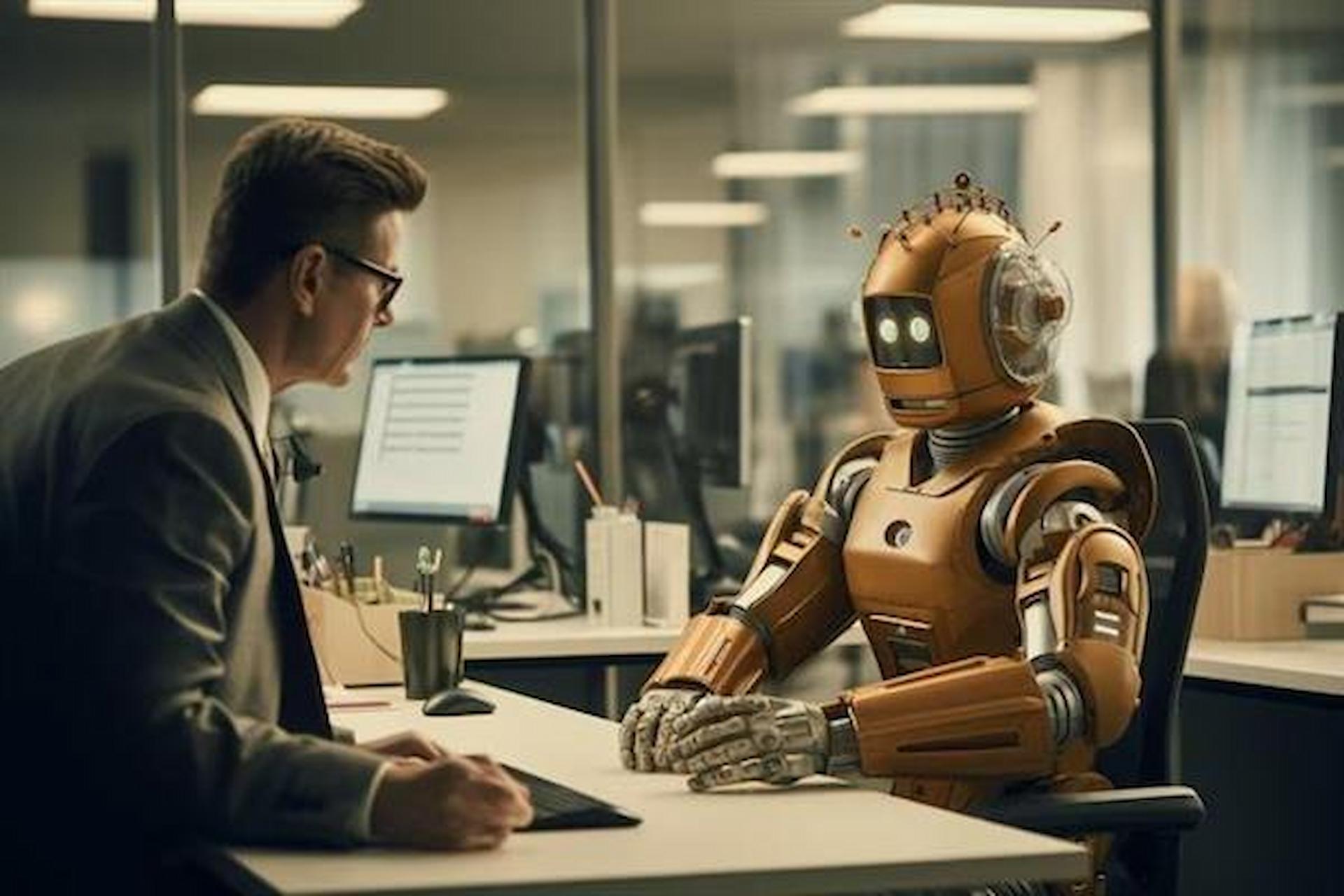
In the contemporary professional landscape, the mantra of “working harder” is rapidly being replaced by “working smarter.” We are currently witnessing a seismic shift in how tasks are approached, managed, and executed. The integration of artificial intelligence into the modern office is no longer a futuristic concept—it is the present reality. From small startups to global enterprises, the adoption of various AI tools is enabling individuals to reclaim their time and focus on high-value creative endeavors rather than getting bogged down by repetitive administrative burdens. This transformation is not about replacing human talent, but rather augmenting it to achieve unprecedented levels of speed and accuracy.
The Shift Toward Intelligent Workflows
The beauty of modern technology lies in its ability to handle the “invisible” work. For decades, the average employee spent a significant portion of their day on “work about work”—answering emails, scheduling meetings, and organizing files. Today, intelligent algorithms are stepping in to curate these workflows. By analyzing patterns in our behavior, these systems can prioritize our inboxes, suggest the best times for collaborative sessions, and even draft initial responses to common inquiries.
This evolution is particularly evident in the realm of project management. Gone are the days of manual Gantt charts and endless status update meetings. Modern platforms now use predictive analytics to identify potential bottlenecks before they occur, allowing teams to pivot in real-time. By leveraging automation in daily work, professionals can ensure that deadlines are met without the traditional end-of-project scramble. This proactive approach to task management is the cornerstone of the modern high-performance culture.
Generative AI and the Creative Edge
Perhaps the most visible transformation is occurring in content creation and research. Large language models (LLMs) and generative design tools have drastically reduced the “blank page” syndrome. Whether it is a marketer drafting a campaign or a developer writing a code snippet, these tools provide a foundational starting point that can be refined and polished. This synergy between human intuition and machine processing power enables greater output without sacrificing the nuanced quality that only a person can provide.
Strategic Integration of AI for Businesses
For organizations looking to maintain a competitive advantage, the stakes have never been higher. Scalability is no longer just about hiring more staff; it is about deploying the right architecture. Implementing AI for businesses allows companies to process vast amounts of consumer data to personalize experiences at scale. This level of customization was previously impossible for human teams to manage manually. Now, customer support bots can handle routine queries with natural language processing, while human agents tackle complex, emotionally sensitive issues.
Furthermore, financial departments are utilizing these technologies to detect fraud and optimize cash flow forecasting. By removing the margin for human error in data entry and basic calculations, companies can have greater confidence in their financial health reports. This allows leadership to make bold, data-driven decisions based on real-time insights rather than lagging indicators from the previous quarter.
Adopting Smart Work Technology for the Future
As we look toward the next decade, the gap between those who embrace these advancements and those who resist them will only widen. Success in the digital age requires a willingness to experiment with smart work technology to find the specific combination that fits your industry. It is about building a tech stack that communicates fluently across departments, ensuring that data is democratized and accessible to those who need it most.
Key Benefits of Modern Intelligent Tools
- Rapid Data Analysis: Process thousands of rows of data in seconds to find actionable trends that would take a human analyst days to uncover.
- Enhanced Personalization: Deliver tailored marketing messages and product recommendations based on individual user behavior.
- Reduced Burnout: By offloading monotonous tasks to software, employees can focus on fulfilling mission-critical work.
- 24/7 Availability: Automated systems can handle client interactions and system monitoring around the clock, regardless of time zones.
- Precision and Accuracy: Eliminate “fat-finger” errors in data entry and technical documentation through automated validation.
Empowering the Modern Workforce
The human element remains the most critical component of the equation. While machines are excellent at processing logic and data, they lack the empathy, ethical judgment, and complex problem-solving skills inherent to the human experience. The most successful professionals are those who view these new capabilities as a digital co-pilot. By mastering the art of prompting and directing these systems, workers can effectively multiply their individual impact, leading to faster results and a more sustainable work-life balance.
The transition to an intelligence-first workplace requires a culture of continuous learning. Organizations must invest in upskilling their teams to ensure they can navigate the evolving landscape of digital assistants and automated platforms. When employees feel empowered by their tools rather than threatened by them, the potential for innovation becomes limitless. We are entering an era of peak productivity where the only constraint is our collective imagination.
The integration of advanced systems into our professional lives represents a fundamental leap in human productivity. By delegating routine logic and data processing to intelligent software, we unlock the capacity for deeper innovation and strategic thinking. This synergy fosters a more efficient environment where precision meets creativity. Embracing this technological evolution ensures that we remain agile in a fast-paced global economy, ultimately leading to more meaningful careers and superior results for organizations worldwide.