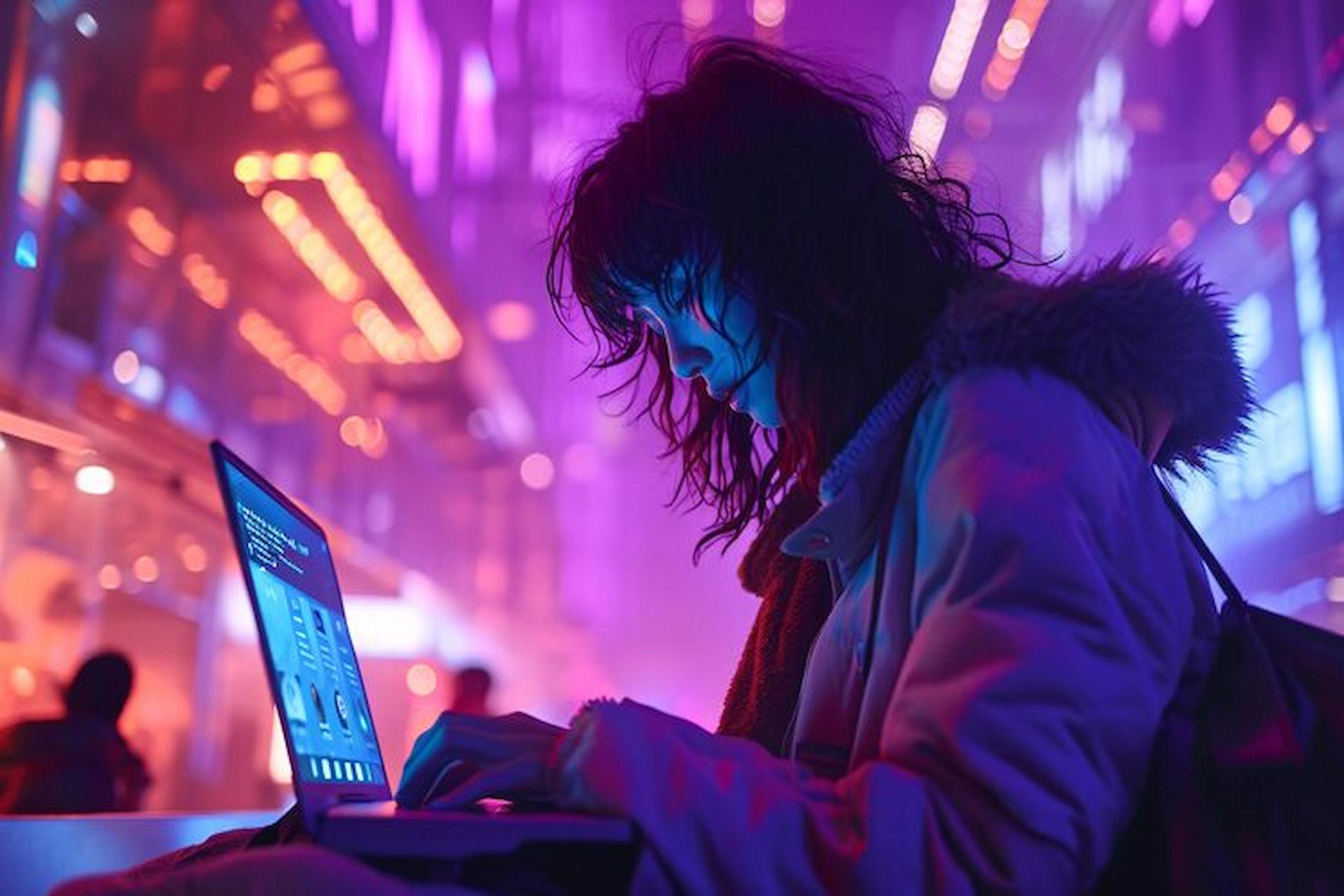
Transformation at this scale doesn’t happen overnight, but by 2026, it will be impossible to ignore. The convergence of artificial intelligence, wearable technology, always-on connectivity, and immersive digital platforms has created an entirely new framework for how people structure their lives. Understanding the forces behind current digital lifestyle trends isn’t just a matter of cultural curiosity — it’s increasingly essential for navigating work, health, relationships, and personal identity in a world where the physical and digital are permanently interlocked.
Key takeaways
Daily life in 2026 is fundamentally shaped by digital systems in both visible and invisible ways. From morning routines to social connections, work, and wellness, the integration of screens and algorithms into human behavior is deep and accelerating. The distinguishing factor between a fulfilling and an overwhelming experience is intentionality — the conscious choice to engage with connected tools on your own terms, rather than by default.
How morning routines have been quietly reinvented
For a significant portion of the population, the day no longer begins with a newspaper or a quiet cup of coffee. It begins with a screen. Wearables track sleep quality before the alarm sounds; AI-curated newsfeeds deliver personalized summaries before feet hit the floor; smart home systems adjust lighting, temperature, and music based on calendar context. These micro-interactions, individually small, collectively add up to a morning experience that is more data-driven, more personalized, and more technologically mediated than anything previous generations encountered.
The rise of ambient productivity
Work in 2026 no longer requires a fixed location or rigid schedule for a growing segment of the workforce. Remote and hybrid arrangements have matured into fully integrated systems supported by AI scheduling assistants, asynchronous communication norms, and cloud-native collaboration tools. The boundary between professional and personal time has become genuinely fluid — not always comfortably, but undeniably. Productivity is now ambient: it happens in transit, between appointments, and in windows carved out of what used to be designated downtime.
Social connection in the age of persistent digital presence
The relationship between technology and social behavior is one of the defining tensions of current modern daily habits. Social media platforms have evolved beyond passive content consumption into active environments where identity is constructed, communities are built, and relationships are maintained across distance and time zones. Short-form video, live audio, and immersive social spaces have all shifted how people express themselves, seek belonging, and measure social standing — raising important questions about authenticity, attention, and mental wellbeing that individuals and researchers are still working through.
Digital wellness as a cultural countermovement
Alongside the acceleration of digital engagement, a meaningful countermovement has emerged. Screen-time tracking, app usage audits, intentional offline rituals, and digital detox practices have entered mainstream conversation. Many people are developing deliberate frameworks for how and when they engage with technology — choosing specific hours for email, silencing notifications during meals, and designating device-free spaces in their homes. This self-regulation is itself a new kind of habit, born directly from the excesses of hyper-connectivity.
Patterns that define how we live now
These behavioral shifts reflect the deepest ways that technology and culture are reshaping individual routines in 2026:
- AI-assisted decision-making now influences everything from daily meal planning to investment choices, reducing friction while raising questions about agency.
- Streaming-first entertainment consumption has replaced scheduled programming, restructuring leisure time around personal preference rather than broadcast calendars.
- Online learning platforms and micro-credentialing have made skill acquisition a continuous, self-directed habit rather than a periodic institutional event.
- Health monitoring via wearables has turned body awareness into a data practice, normalizing biometric tracking across age groups.
- Digital commerce has absorbed most routine purchasing, changing how people plan, compare, and justify spending decisions.
- Social validation through metrics — likes, views, follower counts — has become a behavioral driver shaping how people communicate and present themselves.
Navigating the shift with intention
The most consequential aspect of these lifestyle changes in 2026 is not the technology itself, but the agency with which people choose to engage with it. Passive adoption — absorbing whatever defaults platforms and devices offer — produces a very different experience from conscious, intentional use. People who define their own terms of engagement: setting limits, curating inputs, protecting attention, and cultivating offline practices alongside digital ones — tend to report greater satisfaction, focus, and a clearer sense of identity in an environment that constantly competes for both.