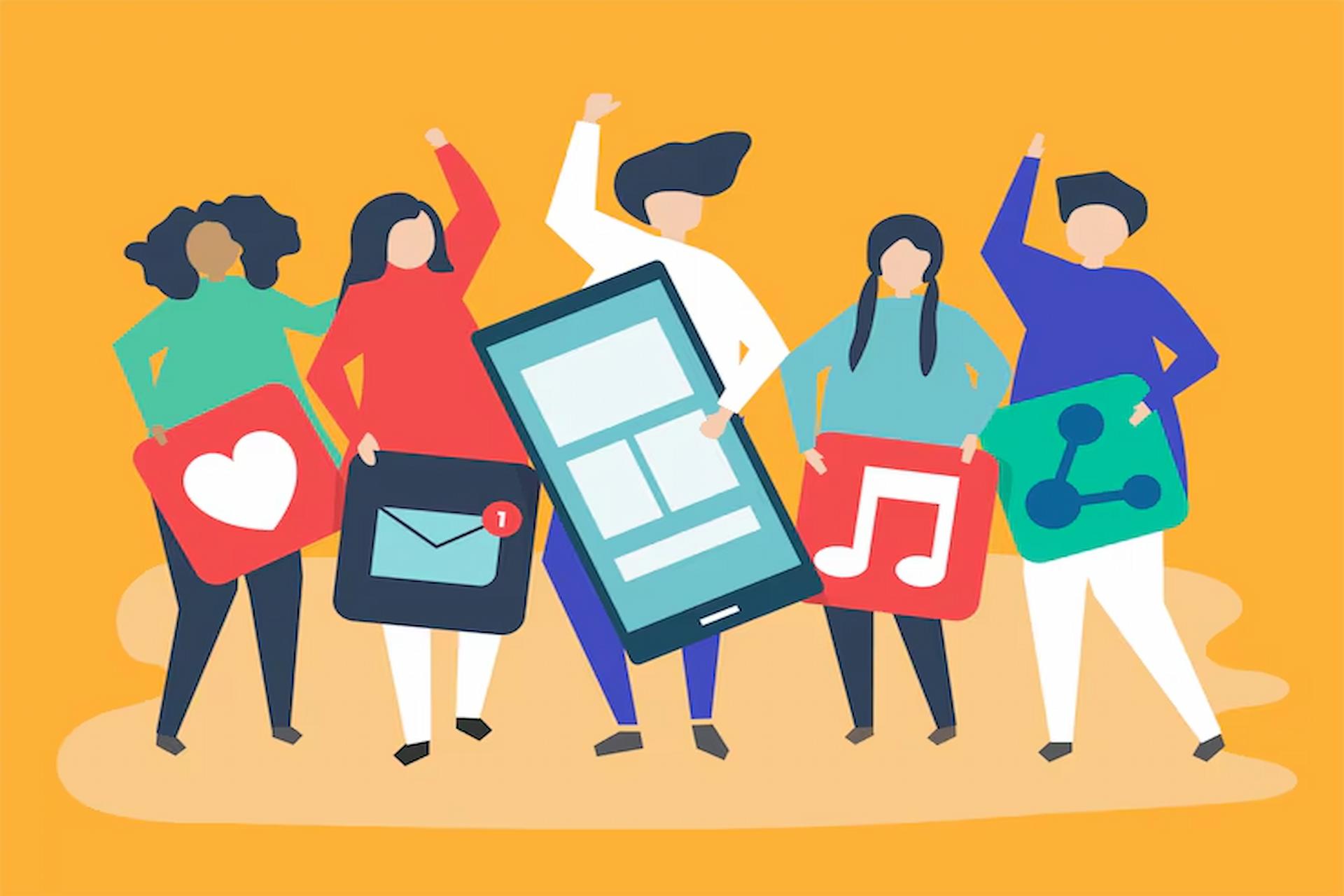
For most of human history, culture moved slowly. Fashion, language, music, and social norms shifted across generations, shaped by geography, economics, and mass media gatekeepers. That model no longer applies. The breadth of social media influence today is extraordinary — platforms now function as real-time cultural laboratories where trends emerge organically, gain global traction within days, and reshape everything from consumer behavior to political discourse to personal identity. Understanding how this happens is no longer optional for marketers, educators, parents, or anyone trying to make sense of the modern world.
How platforms engineer virality
Not all platforms shape culture the same way. Each major network has a distinct architecture that determines what content rises to the top, who gets amplified, and how audiences interact with ideas. Short-form video platforms reward emotional immediacy — content that produces a fast reaction within the first few seconds gets promoted algorithmically, which means creators are consistently incentivized to be provocative, relatable, or visually striking above all else. Text-based platforms, by contrast, reward debate and wit, creating entirely different cultural dynamics and user behaviors.
The algorithm as cultural curator
Recommendation algorithms now function as some of the most powerful cultural curators in existence. They don’t just show users what’s popular — they actively shape what becomes popular by amplifying certain content types over others. When an algorithm consistently promotes videos about a specific aesthetic, lifestyle, or value system, it doesn’t merely reflect cultural preferences; it reinforces and amplifies them. This feedback loop between human behavior and machine logic is one of the defining forces behind the most prominent cultural trends 2026 observers are tracking across fashion, wellness, politics, and entertainment.
Identity, community, and the rise of micro-cultures
Social media has fractured the idea of a single mainstream culture. In its place, a sprawling ecosystem of micro-communities has emerged — tightly knit digital subcultures organized around shared interests, aesthetics, values, and humor. These communities develop their own language, inside references, and social norms entirely online, then see those elements absorbed into broader culture through viral crossover moments. The result is a cultural landscape that’s simultaneously more fragmented and more interconnected than at any prior point in history.
From passive consumer to active cultural participant
Perhaps the most significant behavioral shift social media has produced is the transformation of the average person from a passive media consumer into an active cultural participant. Anyone with a smartphone can now contribute to trending conversations, challenge dominant narratives, remix existing content, and build an audience around a niche perspective. This democratization of cultural production has created space for underrepresented voices to gain visibility — while also generating entirely new challenges around misinformation, harassment, and attention economics.
Key shifts in how we live, think, and connect
The clearest way to understand these online behavior trends is to examine how they manifest in concrete, everyday patterns across different demographics and platforms:
- Trend cycles have accelerated dramatically — micro-trends now rise and fall within weeks rather than seasons, fundamentally changing fashion, food, and entertainment industries.
- Parasocial relationships with creators and influencers now shape purchasing decisions, political opinions, and social values at scale.
- Mental health conversations have been normalized online, reducing stigma while simultaneously creating new pressures around performance and image.
- Slang and language patterns originating in niche communities migrate into mainstream discourse within months, reshaping how generations communicate.
- Collective action — from social movements to consumer boycotts — is now organized faster and with greater reach than any prior era.
The broader consequences of a digitally mediated society
The impact of digital culture extends well beyond entertainment and shopping. It is reshaping civic life, redefining what it means to belong to a community, and raising urgent questions about attention, privacy, and the nature of shared reality. Platforms increasingly influence which issues get public attention, which voices gain authority, and how individuals construct their identities in relation to others. These are not abstract concerns — they are the central cultural questions of this decade, and social media is both the medium through which they play out and a primary driver of their urgency.