
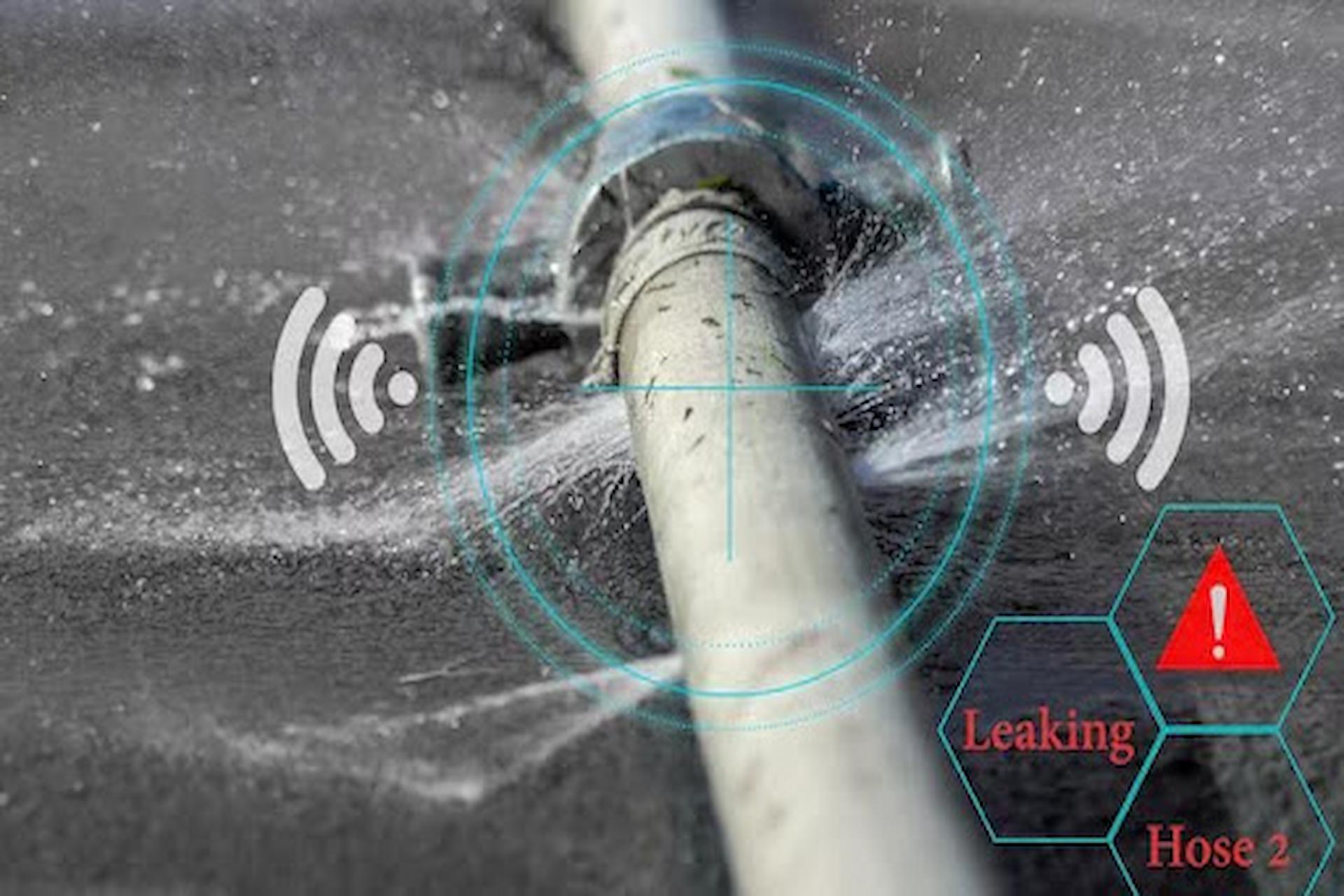
Hidden water leaks can waste thousands of litres and weaken a property without obvious signs. Learn how modern leak detection technology identifies problems beneath floors, behind walls, and underground, which warning signals should not be ignored, and why acting early helps limit disruption, control repair costs, and protect long-term building integrity.
Water leaks are not always dramatic bursts or visible puddles. In many cases, they remain hidden for months, quietly wasting water and weakening structures. Leak detection has evolved into a precise and efficient process, using advanced technology to identify problems that once required guesswork and invasive digging. For homeowners and property managers alike, this shift has changed how water issues are found and resolved.
Why hidden water leaks are a bigger problem than most realise
Even a small, unseen leak can have serious consequences over time. According to UK water industry estimates, household leaks can waste hundreds of litres of water each day. Beyond water loss, persistent moisture can lead to structural damage, mould growth, and higher utility bills.
Hidden leaks are particularly problematic because they often show subtle signs, such as:
- Unexplained increases in water bills
- Damp patches that appear without obvious cause
- Reduced water pressure
Without the right tools, identifying the source can be difficult, which is why technology now plays such a critical role.
How modern technology has changed the way leaks are found
Traditional methods often involved digging or removing sections of walls to trace a suspected leak. Today’s approach is far more targeted. Modern systems allow specialists to pinpoint issues with accuracy, reducing disruption and unnecessary repairs.
Acoustic listening devices
Water escaping from pipes creates vibrations and sound, even when buried underground. Acoustic devices amplify these sounds, enabling technicians to locate leaks by listening for specific frequencies associated with water movement. This method is especially effective for underground pipes and external water mains.
Thermal imaging cameras
Thermal imaging detects temperature differences caused by leaking water. When moisture cools or warms surrounding materials, it creates patterns that cameras can visualise. This is particularly useful for identifying leaks behind walls or under floors without needing to open them up.
Tracer gas methods
In some cases, a safe, non-toxic gas is introduced into empty pipework. The gas escapes at the leak point and rises to the surface, where sensitive detectors identify its location. This technique is highly accurate and works well when water pipes are difficult to access.
The role of data and smart monitoring
Beyond locating existing leaks, technology now helps prevent future problems. Smart water monitoring systems track usage patterns in real time. Sudden changes, such as water flow during inactive hours, can signal a hidden issue early.
Leak detection technology supports faster response times and better decision-making. Instead of reacting to visible damage, property owners can act based on data, reducing repair costs and water waste.
Benefits of early and accurate detection
Using advanced tools brings clear advantages for both residential and commercial properties. These include:
- Less disruption, as targeted repairs avoid unnecessary excavation
- Lower repair costs by addressing issues before they escalate
- Reduced water waste, supporting environmental responsibility
- Greater peace of mind, knowing hidden problems are identified quickly
By addressing leaks early, long-term damage to buildings and landscapes can often be avoided.
Practical steps to reduce the risk of hidden leaks
While professional tools are essential, there are simple actions property owners can take to stay alert.
- Monitor water bills regularly: Unexpected increases may indicate a hidden issue.
- Check water meters: Turning off all taps and observing movement can reveal ongoing flow.
- Pay attention to subtle signs: Persistent dampness or changes in water pressure should not be ignored.
- Schedule periodic inspections: Especially for older properties or large sites with extensive pipework.
These steps do not replace professional assessments but can help highlight when expert support is needed.
Looking ahead: technology and sustainable water use
As water conservation becomes increasingly important, advanced detection methods contribute to more sustainable use. By reducing unnecessary loss, these technologies help protect a limited resource while maintaining property integrity. Ongoing developments continue to improve accuracy, speed, and accessibility, making early intervention more achievable than ever before.
Closing Remark
Hidden water problems rarely resolve themselves. They tend to worsen quietly, affecting structures, budgets, and the environment. Investing in modern approaches to leak detection offers a smarter way to manage water systems, combining precision with minimal disruption. By recognising early warning signs and embracing technological solutions, property owners can take control before minor issues become major repairs. Whether safeguarding a home or maintaining a larger property, proactive action today can prevent long-term damage tomorrow. Thoughtful use of technology ensures water stays where it should, protecting both buildings and resources for the future.