
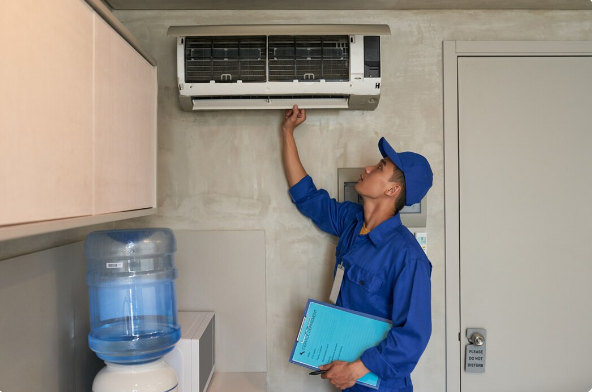
A clogged AC drain line is one of the most common causes of water leaks, musty smells, and sudden cooling problems. The good news is that you do not need special skills or expensive tools to fix it. With the right steps, you can clear an AC drain cleanout at home in about 15 minutes and protect your system from bigger damage.
Air conditioning systems quietly remove moisture from the air every time they run. That moisture flows out through a small drain line. When this line gets blocked, water backs up and creates trouble fast. Many homeowners panic when they see water around the indoor unit. In reality, this is often a simple problem with a clear solution.
This guide walks you through the process step by step. It is written for homeowners, not technicians. You will learn what causes clogs, how to clear them safely, and how to prevent them from coming back. If you live in a warm, humid area, including homes that require regular drain cleanouts in Olive Branch, MS, this routine maintenance can save time, money, and stress.
What Is an AC Drain Cleanout?
The drain cleanout in Olive Branch, MS, is a small access point connected to the drain line. It is usually a short pipe with a cap, often made of white plastic. This opening allows you to clean the drain line without disassembling the system.
As your air conditioner cools the air, it pulls moisture from it. That moisture becomes water and flows through the drain line. Over time, dirt, algae, dust, and mold can build up inside the pipe. Eventually, the water can no longer flow freely.
When this happens, the cleanout is your easiest entry point to resolve the issue.
Signs Your AC Drain Line Is Clogged
A clogged drain line often gives clear warning signs. Watch for these common issues:
- Water is pooling near the indoor unit
- A musty or sour smell when the AC runs
- Higher indoor humidity than normal
- AC shutting off unexpectedly
- Water stains on walls or ceilings
If you notice any of these, the drain line should be checked right away.
Why AC Drain Lines Get Blocked
Understanding the cause helps prevent repeat problems. Most clogs form due to:
- Dust and dirt are pulled into the system
- Algae growth inside the damp pipe
- Mold buildup in warm conditions
- Insects or small debris entering the line
Homes in humid climates are more likely to see frequent drain issues because moisture encourages growth inside the pipe.
Tools You Will Need (Simple and Affordable)
You do not need professional equipment. Most items are already at home:
- A wet and dry vacuum
- A towel or rag
- White vinegar
- Warm water
- A small cup or bottle
- Gloves (optional but recommended)
These basic tools are enough to handle most clogs safely.
Step-by-Step: Unclog the AC Drain Cleanout in 15 Minutes
Step 1: Turn Off the AC System
Always start by switching off the air conditioner at the thermostat and the breaker. This protects both you and the system.
Step 2: Locate the Drain Cleanout
Find the drain line near the indoor unit. Look for a capped pipe, usually shaped like a “T.” Remove the cap carefully.
Step 3: Check for Standing Water
If you see water inside the pipe, that confirms a blockage further down the line. Place a towel underneath to catch spills.
Step 4: Use a Wet and Dry Vacuum
Go outside to where the drain line exits the home. Attach the vacuum hose to the pipe opening. Seal the gap with a towel or tape to improve suction. Run the vacuum for one to two minutes. This often pulls out the clog completely.
Step 5: Flush With Vinegar
Back at the cleanout opening, slowly pour one cup of white vinegar into the line. Let it sit for ten minutes. Vinegar helps break down algae and residue without damaging the pipe.
Step 6: Rinse With Warm Water
After waiting, pour warm water into the cleanout. If it flows freely, the clog is gone.
Step 7: Replace the Cap and Restore Power
Securely reattach the cleanout cap. Turn the AC system back on and monitor it for a few minutes.
Common Mistakes to Avoid
Many homeowners create bigger problems by rushing. Avoid these mistakes:
- Do not use harsh chemicals like bleach in large amounts
- Do not force sharp objects into the pipe
- Do not ignore repeated clogs
- Do not skip turning off the power
Simple care goes a long way.
How Often Should You Clean the AC Drain Line?
A good rule is to clean the drain line every three to six months. Homes with pets, high humidity, or heavy AC use may need more frequent checks.
Regular maintenance reduces the risk of sudden leaks and costly water damage.
How to Prevent Future AC Drain Clogs
Prevention is easier than repair. Follow these tips:
- Pour vinegar into the cleanout every few months
- Replace air filters regularly
- Keep the area around the indoor unit clean
- Check the drain exit outside for debris
These habits keep water flowing smoothly year-round.
When DIY Is Not Enough
Most clogs are easy to clear. However, seek professional help if:
- Water keeps returning after cleaning
- You cannot locate the drain cleanout
- The system shuts down repeatedly
- You see signs of mold spread
Persistent issues may point to deeper drainage or system problems.
Why This Simple Task Matters
Ignoring a clogged drain line can lead to serious damage. Water can harm floors, walls, and ceilings. Moisture also encourages mold growth, which affects indoor air quality.
Taking 15 minutes to clean the drain protects your comfort, your health, and your home investment.
FAQs
What causes AC drain lines to clog so often?
AC drain lines clog due to moisture buildup combined with dust, dirt, algae, and mold. Warm and humid conditions speed up this process. Over time, these materials stick to the inside of the pipe and block water flow, leading to leaks and system issues.
Is vinegar safe for cleaning an AC drain line?
Yes, white vinegar is safe and effective for routine AC drain cleaning. It helps break down algae and residue without damaging the pipe. It is also safer than harsh chemicals and does not create strong fumes inside the home.
How long does it take to unclog an AC drain line at home?
Most homeowners can unclog an AC drain line in about 15 minutes. The process is quick if the clog is minor and tools like a wet and dry vacuum are available. Regular maintenance makes the job even faster.
Can a clogged drain line cause the AC to stop working?
Yes, many AC systems have safety switches that shut the unit off when water backs up. This prevents overflow damage but leaves the home without cooling until the drain issue is fixed.
How can I tell if the clog is completely cleared?
After cleaning, pour warm water into the cleanout. If it flows freely without backing up and no water leaks appear near the unit, the clog is likely gone.
How often should homeowners check their AC drain line?
Checking the drain line every three to six months is ideal. Homes in humid areas or with heavy AC use may benefit from more frequent inspections to prevent sudden blockages.
Is professional help always necessary for drain clogs?
No, most drain clogs can be handled at home. Professional help is needed only if clogs recur, water damage persists, or the drain system is difficult to access.
Final Thoughts
Unclogging an AC drain cleanout is one of the easiest home maintenance tasks, yet it delivers major benefits. With basic tools and a few steps, most homeowners can resolve the issue quickly.
Regularly inspecting your AC drain line helps prevent leaks, improve performance, and extend system life. A small effort today can prevent a costly repair tomorrow.