
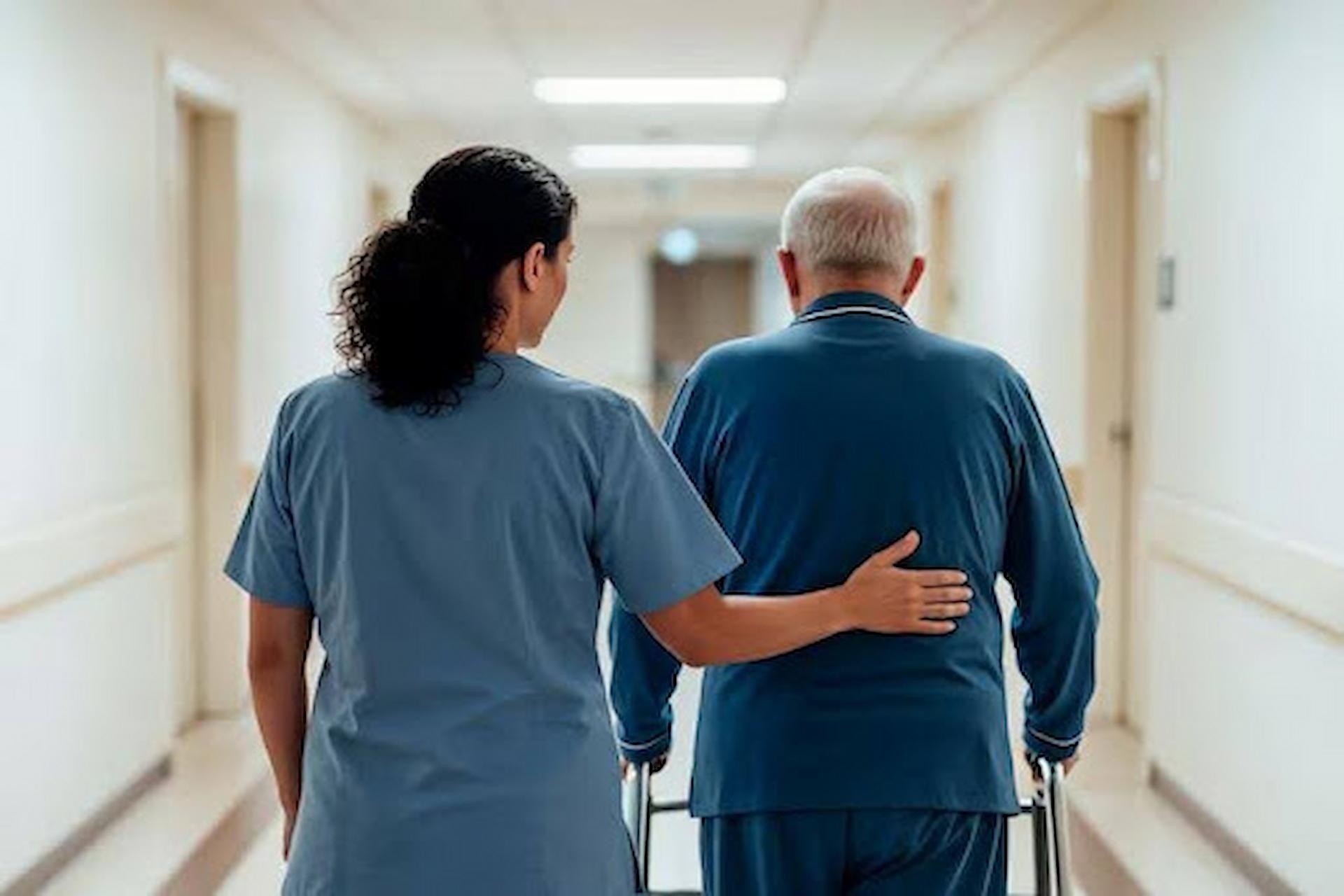
Healthcare needs are changing faster than ever, and care homes are responding with thoughtful, practical adjustments. From stronger clinical support to smarter use of technology and more personalised care, the sector is evolving quietly but steadily. The discussion highlights how daily care routines are being refined to reflect both rising standards and greater clinical complexity.
The role of care homes has shifted significantly over the past decade. Once seen mainly as places offering basic support with daily living, they are now expected to manage increasingly complex healthcare needs. People are living longer, often with multiple long-term conditions, and entering care later in life. As a result, care homes in Oxfordshire and across the UK are adapting their services, environments, and care models to provide safer, more responsive support.
This change is not driven by a single factor. It reflects demographic shifts, pressure on hospitals, and higher expectations from families. According to national health data, a growing proportion of residents require support for conditions such as dementia, mobility loss, and chronic illness. Care homes are therefore redesigning how care is delivered, placing greater emphasis on clinical awareness, coordination with health services, and individual wellbeing. These changes aim to improve quality of life while reducing unnecessary hospital admissions.
Changing health needs across the care home population
Longer lives, layered needs
People are entering care homes later in life than before. This often means they arrive with more advanced health needs. Many residents live with two or more long-term conditions that require careful monitoring. These may include heart disease, diabetes, respiratory conditions, or cognitive decline.
Care homes have responded by strengthening health oversight within the setting. Staff are now expected to recognise early signs of change in a resident’s condition and respond promptly. This proactive approach helps prevent small issues from becoming medical emergencies.
Dementia care as a central focus
Dementia is now one of the most common reasons people require residential care. This has pushed care homes to rethink daily routines, communication styles, and environments. Clear signage, calm spaces, and predictable daily rhythms help residents feel more secure.
Staff training has also evolved. Carers are taught how dementia affects perception, memory, and behaviour, enabling them to respond with patience and understanding rather than control or restraint. This shift improves dignity and reduces distress for residents.
Strengthening links with healthcare professionals
Closer coordination with clinical services
Modern care homes work more closely with GPs, nurses, and community health teams. Regular health reviews, medication checks, and shared care plans ensure residents receive consistent treatment. This coordination reduces delays and avoids conflicting advice.
Many care homes now use structured communication tools to share updates with healthcare professionals. These tools help ensure that important information is passed on clearly, especially during changes in a resident’s condition.
Reducing hospital admissions
Unplanned hospital visits can be stressful for older people and increase health risks. Care homes are therefore focusing on early intervention. By monitoring hydration, nutrition, and mobility closely, staff can address concerns before they escalate.
In the first half of this evolving landscape, care homes in Oxfordshire have reflected a broader national trend by prioritising in-house care where possible, supported by external clinical advice. This approach benefits residents while easing pressure on hospitals.
Technology supporting better care decisions
Digital records and monitoring
Paper-based records are increasingly being replaced by digital systems. These allow staff to log care notes in real time, track patterns, and spot changes more quickly. For example, a gradual decline in appetite or mobility can be identified early through consistent data entry.
Some care homes also use simple monitoring tools to track vital signs or movement patterns. These tools do not replace human care but support better decision-making and timely responses.
Improving communication with families
Technology has also improved transparency. Families often value regular updates and reassurance. Secure digital platforms allow care homes to share general updates, activity participation, or wellbeing notes, helping relatives stay connected and informed.
This improved communication builds trust and helps families feel confident in the care being provided, even when they cannot visit frequently.
A stronger focus on person-centred care
Care shaped around the individual
Person-centred care means tailoring support to each resident’s preferences, history, and abilities. This approach recognises that healthcare is not only about treatment but also about comfort, dignity, and emotional wellbeing.
Care homes now invest more time in understanding residents’ backgrounds, routines, and interests. This knowledge helps staff provide care that feels familiar and respectful rather than institutional.
Emotional and mental wellbeing
Mental health is increasingly recognised as part of overall healthcare. Loneliness, anxiety, and low mood can affect physical health, particularly in older adults. Care homes are addressing this by offering meaningful activities, social interaction, and quiet spaces for rest.
Staff are encouraged to notice changes in mood and behaviour, not just physical symptoms. This holistic view supports better outcomes and a more positive daily experience for residents.
Investing in staff skills and confidence
Ongoing training and development
As healthcare needs become more complex, staff training has expanded beyond basic care tasks. Carers now receive regular updates on topics such as infection control, nutrition, mobility support, and recognising early signs of illness.
Training is practical and focused on real situations staff encounter daily. This builds confidence and helps carers act quickly and appropriately when residents’ needs change.
Supporting staff wellbeing
A well-supported workforce is essential for quality care. Care homes are paying more attention to staff wellbeing, recognising that stress and fatigue can affect care delivery. Clear rotas, access to guidance, and supportive management all contribute to a stable care environment.
When staff feel valued and prepared, residents benefit from more consistent and attentive support.
Adapting physical spaces for safety and comfort
Safer, more flexible environments
The design of care homes plays a significant role in healthcare delivery. Wider corridors, accessible bathrooms, and good lighting reduce the risk of falls. Quiet areas support residents who need calm environments, particularly those with sensory sensitivities.
Flexible spaces allow care homes to adjust routines and activities as residents’ needs change. This adaptability is crucial in supporting both physical and mental health.
Infection prevention measures
Recent public health challenges have highlighted the importance of infection control. Care homes have improved cleaning routines, ventilation, and hygiene practices. These measures protect residents while allowing daily life to continue with minimal disruption.
Clear procedures also help staff respond quickly and confidently during periods of increased health risk.
Key takeaways for families and decision-makers
When assessing how well a care home adapts to changing healthcare needs, consider the following:
- Health coordination: Look for clear links with healthcare professionals and regular health reviews.
- Staff training: Ask about ongoing training and how staff are supported to manage complex needs.
- Person-centred approach: Observe whether care feels tailored to individuals rather than routine-driven.
- Use of technology: Check how records, monitoring, and communication are handled.
- Environment: Notice whether the space supports safety, comfort, and dignity.
These factors together indicate a care home’s readiness to meet both current and future healthcare demands.
In Closing
Care homes are no longer static environments offering one-size-fits-all support. They are evolving healthcare settings that balance clinical awareness with compassion and personal connection. Through better training, smarter systems, and closer collaboration with health services, the sector continues to adapt thoughtfully.
For families exploring care homes in Oxfordshire, understanding these changes can make decision-making clearer and more reassuring. The most effective care homes are those that respond proactively to health needs while maintaining a warm, respectful atmosphere. As expectations continue to rise, this balanced approach will remain central to providing safe, dignified, and responsive care for older adults.