
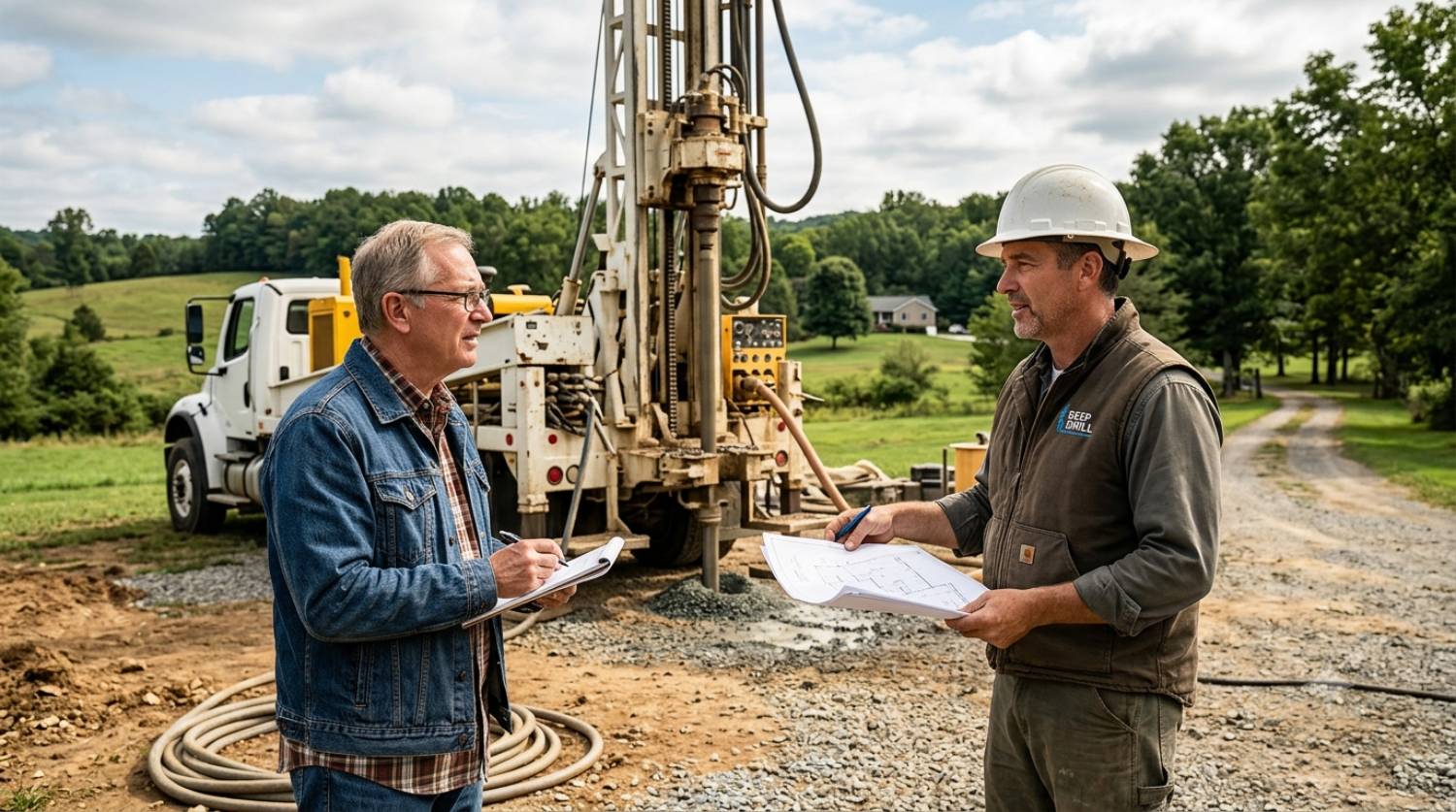
Choosing a well drilling contractor affects your property’s water supply for years. The right questions can reveal experience, licensing, drilling methods, pricing, warranties, water-testing support, and plans for unexpected conditions. Careful screening helps homeowners compare proposals fairly, avoid vague commitments, and select a contractor prepared to complete dependable work safely.
A new well is a major property investment, not a routine purchase. Drilling depth, ground conditions, pump sizing, water quality, permits, and long-term maintenance can all influence the final result. Before signing an agreement, homeowners should understand exactly what the contractor will provide and how unexpected conditions will be handled. Comparing well service in Live Oak, FL requires more than checking the lowest estimate. A qualified contractor should explain the proposed process, equipment, responsibilities, pricing, and warranty in plain language. Asking focused questions before work begins protects your budget and creates clearer expectations for drilling, installation, testing, and system support.
1. Are You Licensed and Properly Insured?
Licensing shows that the contractor has met applicable professional requirements. Insurance can provide important protection if property damage, injuries, or other problems occur during the project.
Ask for the contractor’s license number and current proof of insurance. Verify the information with the appropriate authority rather than relying only on a logo or statement in a proposal.
You should also ask who will perform the drilling. Confirm whether the crew members are employees, subcontractors, or another company working under the contractor’s direction.
2. How Much Well Drilling Experience Do You Have?
Local Knowledge Can Influence Planning
General construction experience is not the same as water well drilling experience. A qualified contractor should understand local soil, rock formations, groundwater conditions, seasonal rainfall, flood concerns, and common well depths.
Ask how long the company has drilled residential or commercial wells and whether it regularly works on properties similar to yours. The answer should explain its capabilities without promising a specific depth or water yield before drilling begins.
No contractor can see every underground condition in advance. Experience helps the team respond responsibly when actual conditions differ from early expectations.
3. What Site Information Do You Need?
The contractor should evaluate the property before finalizing the drilling location. Lot size, access, buildings, septic components, overhead lines, underground utilities, drainage, and future construction plans can all affect placement.
Ask what records, surveys, or permits will be needed. Discuss whether heavy equipment can reach the proposed location without damaging structures, landscaping, driveways, or buried services.
A careful site review reduces avoidable delays and helps keep the well location accessible for future maintenance.
4. What Is Included in the Written Estimate?
A low starting price may not represent the complete project cost. Ask for a written estimate that clearly separates included work from possible additional charges.
The proposal should explain:
- Mobilization and drilling charges
- Cost calculations based on depth
- Casing and well-cap details
- Pump and pressure-tank equipment
- Electrical and plumbing connections
- Water testing or treatment recommendations
- Permit or inspection responsibilities
- Cleanup and material removal
- Conditions that may increase the price
Avoid relying on verbal assurances. Written details make proposals easier to compare.
5. How Will You Choose the Pump and Pressure Tank?
The well, pump, and pressure tank must work as one system. Equipment should reflect well depth, expected water level, household demand, plumbing requirements, and desired pressure.
Ask which pump type and capacity the contractor recommends and why. Oversized equipment may cycle unnecessarily, while undersized equipment may struggle during periods of high demand.
A professional provider of well service in Live Oak, FL should also explain future access, maintenance needs, available replacement parts, and warranty coverage for the selected equipment.
6. What Happens If Drilling Conditions Change?
Unknown underground conditions can affect depth, drilling time, material needs, and cost. The contract should describe how changes will be communicated and approved.
Ask these questions before work begins:
- How are additional drilling depths priced?
- What happens if the expected water source is not found?
- Who approves changes to the original scope?
- How will delays be communicated?
- What happens if equipment cannot access the planned location?
A trustworthy contractor will discuss uncertainty clearly rather than offering guarantees that cannot be supported.
7. Will the Water Be Tested?
Newly drilled well water should not be judged only by clarity, smell, or taste. Water can look clean while containing bacteria, nitrates, minerals, or other substances that require testing.
Ask what testing is included, who collects the sample, which laboratory performs the analysis, and when results will be available. If treatment is recommended, it should be based on test findings rather than assumptions.
Water softeners, filtration systems, reverse osmosis equipment, or ultraviolet treatment solve different problems. The correct option depends on the actual water conditions.
8. What Warranty Protection Is Provided?
Ask for written warranty information covering workmanship, the well, pump, pressure tank, and other installed equipment. Different components may have different coverage periods and conditions.
Clarify:
- What the warranty includes
- What it excludes
- Who handles equipment claims
- Whether labor is included
- Which maintenance records must be kept
- How quickly warranty concerns are addressed
A warranty has greater value when the contractor also provides ongoing pump repair, well service, inspections, and water-treatment support.
9. How Will the Property Be Protected?
Well drilling involves heavy equipment, soil, water, and removed materials. Ask how the crew will protect driveways, landscaping, fences, nearby structures, and underground utilities.
The agreement should explain cleanup expectations. Confirm whether the contractor removes drilling debris, levels disturbed ground, and restores the work area or whether those tasks remain the owner’s responsibility.
Take photographs of the access route and work area before the project begins. This creates a clear record of existing conditions.
10. What Maintenance Will the Well Need?
A completed well still requires attention. The pump, pressure switch, pressure tank, cap, electrical connections, and water quality may need periodic inspection.
Ask the contractor for a written maintenance schedule. Find out which warning signs require service, including:
- Changing water pressure
- Frequent pump cycling
- Unusual pump sounds
- Discolored or odorous water
- Air coming from faucets
- Unexpected increases in electricity use
Understanding maintenance from the beginning can support longer equipment life and more dependable water delivery.
Final Thoughts
Hiring a well drilling contractor requires more than comparing prices and available start dates. Licensing, insurance, local drilling experience, site planning, pump selection, water testing, warranties, cleanup, and long-term maintenance all deserve careful review. A detailed written agreement should explain what is included and how changes will be approved.
Ask each contractor the same questions so proposals can be compared fairly. Be cautious of guaranteed water quality, exact drilling depths, or final costs that ignore unknown underground conditions. Confirm who obtains permits, chooses equipment, tests the water, and provides future repairs. Reliable well service in Live Oak, FL should be built around clear communication, suitable equipment, professional installation, and continuing system support. Taking time to examine these details before signing protects your property, limits misunderstandings, and increases the likelihood of receiving a dependable well system designed for long-term use.