
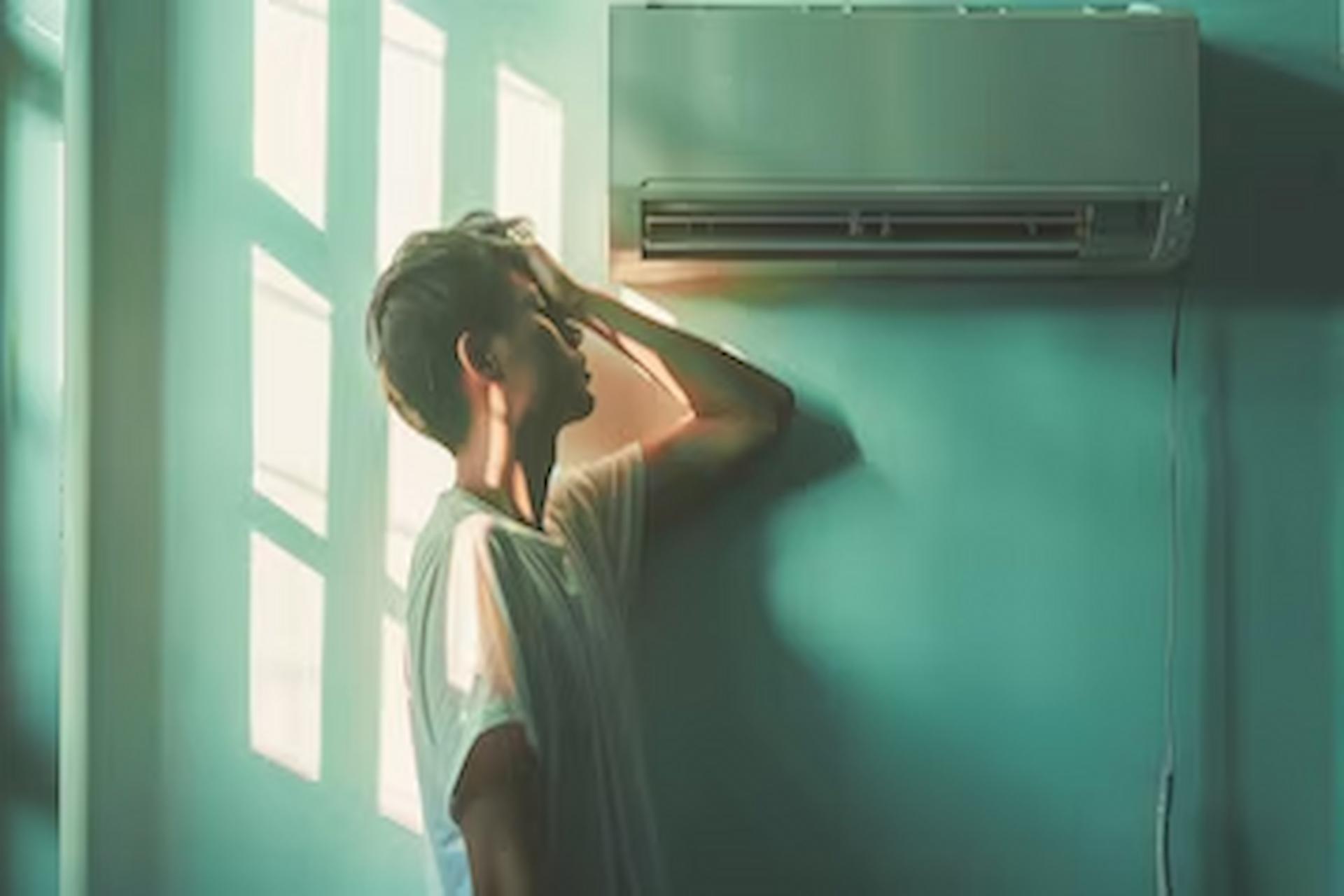
A reliable air conditioning system is essential for a comfortable home. In the heat of summer, your AC works tirelessly to keep you cool. However, like any mechanical system, an air conditioner can wear out over time. Most major breakdowns do not happen without warning. Your system usually provides subtle hints before it stops working entirely. Recognizing the early signs you need AC repair can save you from a hot afternoon and a high repair bill. Taking action now prevents a small mechanical glitch from turning into a total system failure.
Staying proactive with your HVAC maintenance is the best way to extend its lifespan. Many homeowners ignore small issues, thinking they will go away. Unfortunately, plumbing and cooling problems tend to get worse with constant use. By paying attention to how your unit sounds, smells, and performs, you can catch trouble early. This guide will help you identify the red flags that suggest your air conditioner is on its last legs.
1. Unusual or Loud Noises from the AC Unit
Your air conditioner should operate with a consistent, quiet hum. It is normal to hear the fan whirring or the compressor kicking on. However, loud or sudden noises are a major cause for concern. If you hear grinding, it often means the motor bearings are worn out. Squealing sounds usually point to a slipping belt or a failing fan motor.
Rattling or clanging often indicates that a part has shaken loose inside the housing. Hissing is the most serious sound, as it usually signals a refrigerant leak. Identifying these noises early allows a technician to tighten parts or lubricate motors. Ignoring them can lead to a snapped belt or a seized compressor. Spotting these early signs you need AC repair ensures your home stays cool all summer long.
2. Strange or Burning Odors from Vents
When you stand near your vents, the air should smell clean and neutral. If you notice a pungent, burning smell, shut the system off immediately. This acrid odor usually indicates that electrical wiring is overheating or melting. Continuing to run the unit could lead to a fire or permanent motor damage.
Musty smells are another common issue for homeowners. This “dirty sock” odor often means mold or mildew is growing on the evaporator coils. Moisture naturally collects in your AC system, but it should drain away properly. If the drainage system fails, mold can thrive and blow spores into your living spaces. This affects both your mechanical system and your family’s respiratory health.
3. Frequent Short Cycling
A cooling cycle should last long enough to lower the temperature and remove humidity. Short cycling occurs when the AC turns on and off rapidly. The unit might run for three minutes, shut down, and restart moments later. This behavior places significant stress on the compressor and electrical components.
Several different issues can cause short cycling. Sometimes it is a simple fix, like a malfunctioning thermostat or a frozen coil. Other times, it may indicate that your system is oversized or has a refrigerant leak. This constant starting and stopping uses a lot of electricity. It also prevents the system from properly dehumidifying your home, leaving it feeling clammy.
4. Sudden Increase in Energy Bills
Have you noticed your electricity bill climbing even though your habits haven’t changed? A sudden spike in energy costs is a classic sign of an inefficient AC. When internal components wear down, the system must work twice as hard to achieve the same level of cooling.
- Dirty condenser coils force the system to use more power.
- Worn-out motors pull more Amps than they should.
- Low refrigerant levels cause the compressor to run longer.
- Clogged air filters restrict airflow and strain the blower motor.
- Leaky ductwork allows cold air to escape into the attic.
Comparing your current bill to the same month last year is a great habit. If the usage is significantly higher, your AC is likely struggling. A professional tune-up can restore efficiency and lower your monthly expenses.
5. Reduced Cooling Performance
The most obvious sign of trouble is a home that won’t stay cool. The air coming from the vents feels lukewarm. Or, certain rooms are much warmer than others. Weak airflow is another common complaint that suggests the blower fan is failing.
Reduced performance usually happens gradually over several weeks. You might find yourself turning the thermostat lower and lower to feel comfortable. This indicates that the compressor is losing its ability to pump refrigerant effectively. It could also mean the evaporator coil is coated in dust and debris. Addressing this early prevents the system from running 24/7 and burning itself out.
6. Moisture or Refrigerant Leaks Around the System
Your air conditioner produces condensation, but that water should remain in the drain line. If you see puddles forming around the indoor unit, you have a problem. This often means the condensate drain line is clogged with algae or dirt. If the water backs up, it can damage your furnace, flooring, and drywall.
Refrigerant leaks are even more serious and require a certified professional. Refrigerant does not “dry up” or get used like gasoline. If the levels are low, there is a physical hole in the lines. This chemical is essential for removing heat from your home. Without it, the compressor will overheat and eventually fail.
7. Ice Buildup on the AC Unit or Coil
It might seem strange to see ice on a machine during a hot day. However, ice buildup on the copper lines or the indoor coil is a major red flag. This usually happens when the air moving over the coil is restricted. If the air can’t pass through, the coil gets too cold and freezes the moisture in the air.
Common causes include extremely dirty air filters or blocked return vents. Low refrigerant can also cause the coil temperature to drop below freezing. If you see ice, turn the system off and let it melt. Do not try to scrape the ice off, as you might puncture the delicate fins. Call a technician to find the root cause of the freezing.
Conclusion
Your air conditioner is a complex machine that requires regular care to function properly. By watching for these seven warning signs, you can prevent total system breakdowns. Addressing small noises, odors, or efficiency drops now will save you time and money later. Don’t wait until your home is sweltering to call for help. A proactive approach ensures your cooling system remains reliable for years to come. Would you like me to help you find a local maintenance schedule for your specific AC model?